Initial Assessment
The suspected leak, pipe system, and available access points are evaluated.
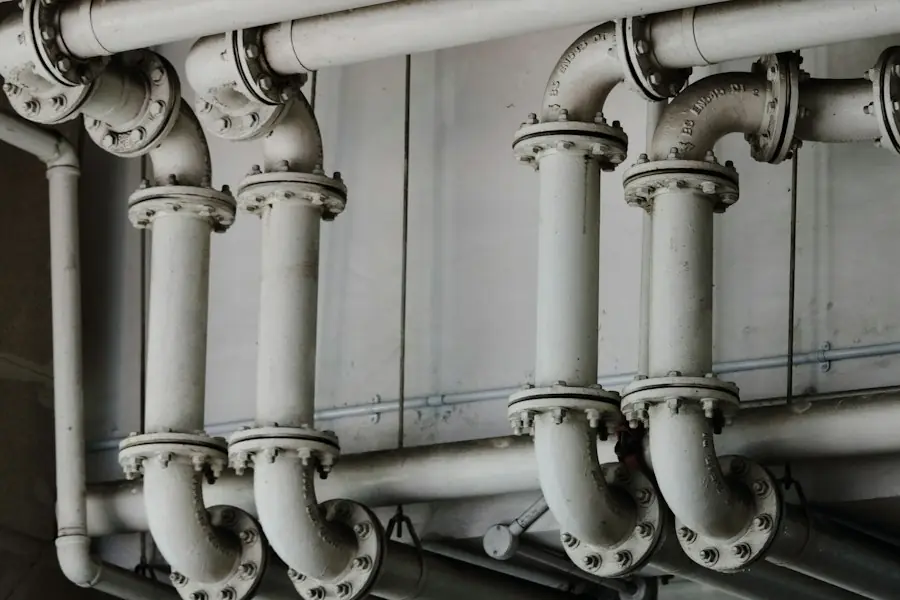
Some water leaks are difficult to locate using traditional inspection methods. Small leaks, concealed plumbing, and underground pipes can make it challenging to identify the exact source of water loss. Tracer gas leak detection is a specialized method that uses a detectable gas to help locate leaks in suitable water pipe systems.
Gville Leak Pros provides 24/7 leak detection services in Gainesville, FL. Contact our team to discuss suspected hidden water leaks and determine which investigation method may be suitable for your property.
Tracer gas leak detection is a method used to locate leaks in suitable pipe systems by introducing a detectable gas into an isolated section of piping.
When the gas escapes through an opening in the pipe, it can travel through surrounding soil, flooring materials, or other accessible spaces. A specialized detector is then used to identify the gas concentration and help narrow down the suspected leak location.
For water pipe investigations, specialist systems commonly use a hydrogen and nitrogen forming-gas mixture. The method requires appropriate equipment, preparation, and trained operators — and it is often considered as part of Water line leak detection for concealed supply pipes.
Not the same as natural gas detection: this page is about using a controlled tracer gas to locate water pipe leaks. Detecting leaks in a natural gas system is a separate service, covered on the Gas Leak Detection page.
A typical tracer gas investigation involves several stages, from isolating the pipe section to assessing the detector readings.
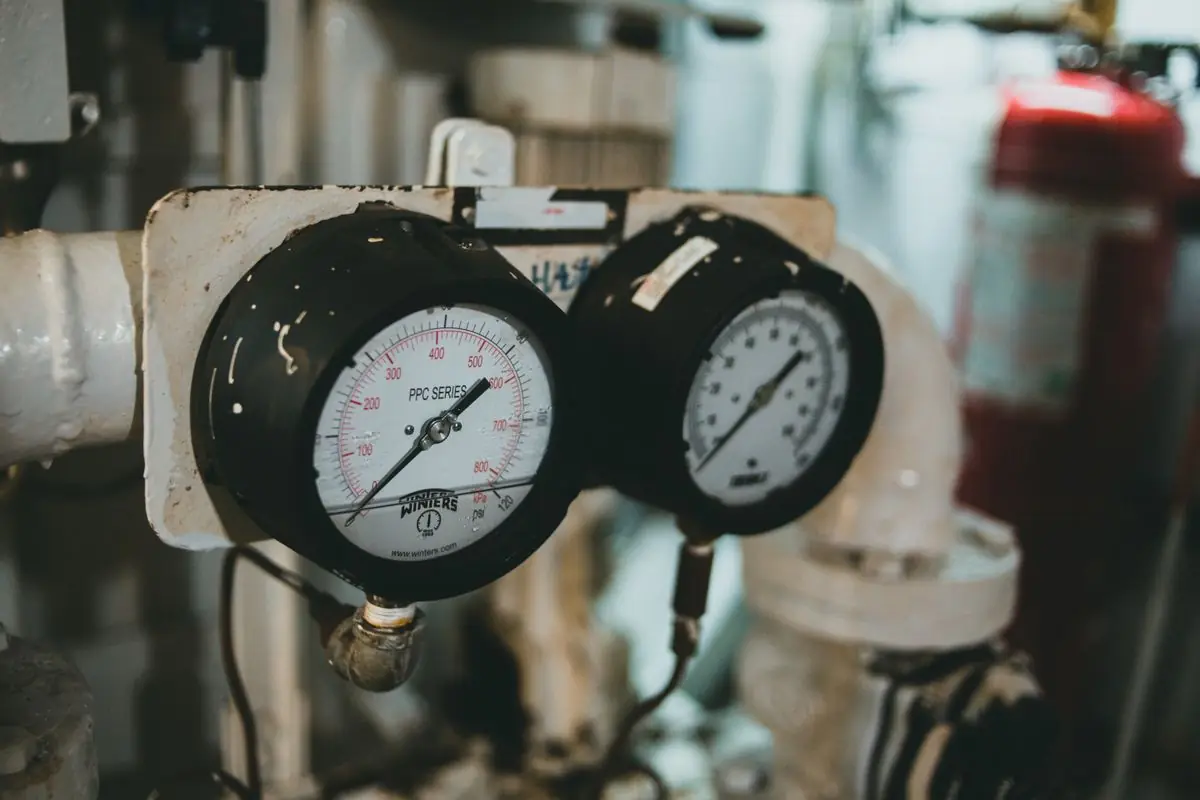
The suspected leak, pipe system, and available access points are evaluated.
The appropriate section of the pipe is isolated according to the equipment and testing procedure.
A suitable tracer gas is introduced into the prepared pipe section.
A specialist detector and suitable probe are used to identify escaping gas.
Gas readings help narrow down the suspected leak location.
The findings are assessed to determine whether additional confirmation or repair access is needed.
The exact procedure depends on the pipe system, equipment, and site conditions.
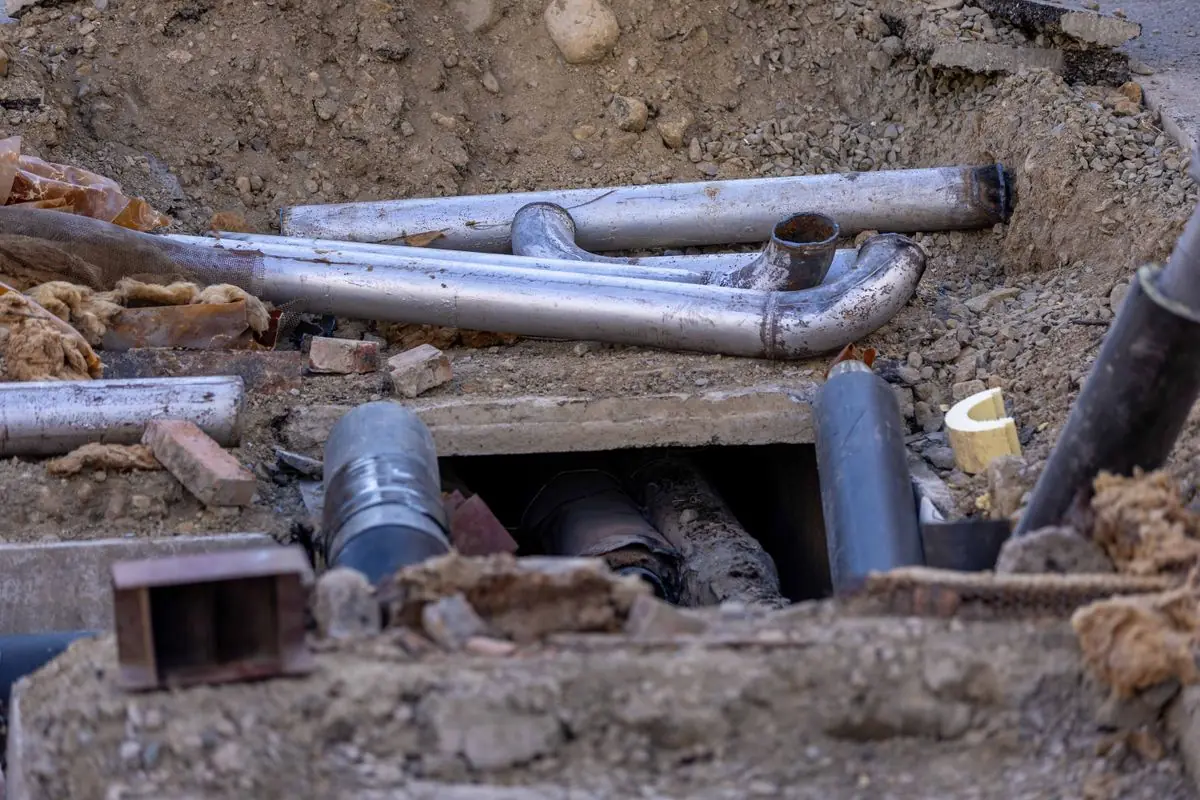
Tracer gas can be relevant to a range of suitable water pipe systems, from buried lines to concealed indoor plumbing.
Tracer gas can help investigate suitable buried water pipes where the escaping gas can migrate toward the ground surface. See also Underground main line tracing.
Some plastic pipes do not transmit leak sounds as effectively as certain metallic pipes. Tracer gas may be an alternative where Acoustic leak detection is less effective.
Specialist tracer gas systems may help investigate certain hidden pipe installations behind walls or beneath flooring, including leaks beneath floors covered by Slab leak detection.
Tracer gas may help locate leaks that are difficult to identify through visible inspection or other detection methods.
The method can be relevant to suitable water pipe systems in homes, offices, commercial buildings, and other properties.
You may need a more specialized leak investigation if you notice:
These signs do not automatically mean tracer gas testing is necessary. A professional assessment should determine the appropriate method.
A suitable tracer gas detector can identify escaping gas concentrations associated with small openings in a pipe.
Tracer gas may be useful when acoustic methods have difficulty identifying leaks in non-metallic pipe systems.
Certain tracer gas systems can help locate leaks in concealed installations where direct visual inspection is difficult.
Narrowing down a suspected leak location before excavation may help reduce unnecessary exploratory work.
Tracer gas can be considered when other investigation methods, such as Thermal imaging leak detection, are unsuitable or inconclusive.
Tracer gas is a specialized technique, and its effectiveness depends on several factors:
Tracer gas is not suitable for every pipe system or every leak. A qualified operator must select the appropriate gas mixture and procedure for the application.
Both methods have different applications. The most appropriate option depends on the pipe material, suspected leak, accessibility, and site conditions.
Hidden water leaks can occur in both residential and commercial plumbing systems.
For homeowners, potential applications include underground water lines, concealed plumbing, and suspected leaks beneath floors — see Residential leak detection. Commercial property owners may need to investigate water loss involving larger plumbing systems, concealed supply lines, or difficult-to-access pipe sections — see Commercial leak detection.
Gville Leak Pros offers residential and commercial leak detection in Gainesville, FL. Contact the team to discuss your suspected water leak and available investigation options.
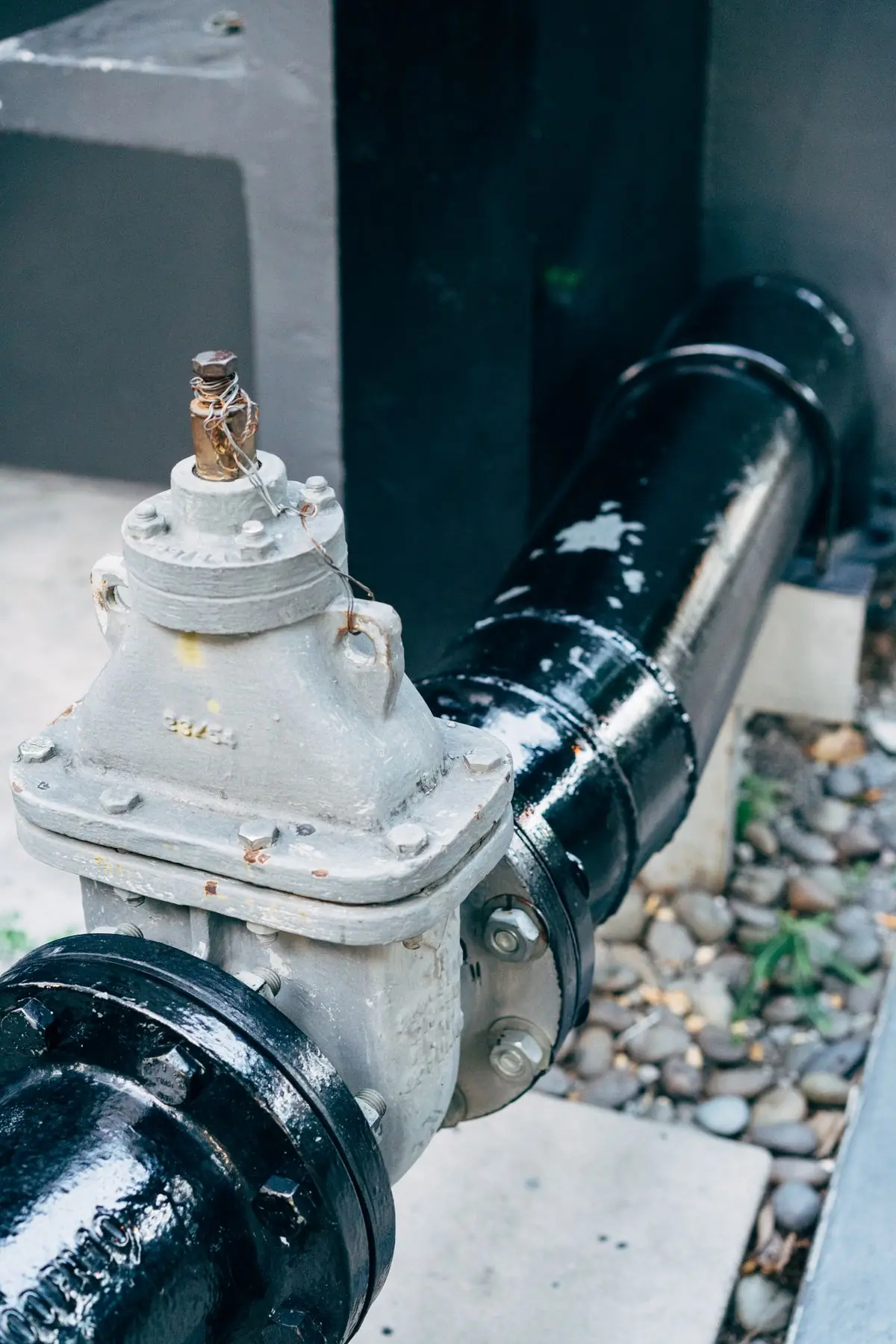
Gville Leak Pros serves Gainesville, FL, and surrounding areas of Alachua County. Contact the team to confirm availability at your property.
Our target service areas include:
Answers to common questions about tracer gas leak detection in Gainesville, FL.
It is a specialized method that introduces detectable gas into a suitable pipe section. A gas detector identifies escaping gas to help locate a suspected leak.
Specialist systems commonly use a forming-gas mixture containing 5% hydrogen and 95% nitrogen. The correct mixture and procedure depend on the application and equipment.
Yes, it can help locate leaks in suitable underground water pipes when escaping gas can migrate through the surrounding material and reach the detector.
It can be useful for certain plastic pipe systems, particularly where acoustic leak detection is less effective.
The detection process can help narrow down a suspected leak location from accessible surface areas. Excavation or other access work may still be necessary for subsequent inspection or repair.
Safety depends on the gas mixture, equipment, and procedure. Specialist forming-gas mixtures used for water pipe detection are designed for this application, but testing must be performed by trained professionals following the equipment instructions.
No. This page discusses using a controlled tracer gas to locate water pipe leaks. Natural gas leak detection is a separate service involving the identification of leaks in gas systems.
Suspect a hidden water leak in your home or commercial property? Contact Gville Leak Pros to discuss your leak detection needs.
Gville Leak Pros • 3650 NW 34th St, Gainesville, FL 32605 • gainesvilleleakdetectionfl.com • Available 24/7
Call (352) 922-1148