Initial Assessment
Identify the reported leak symptoms and the areas requiring inspection.
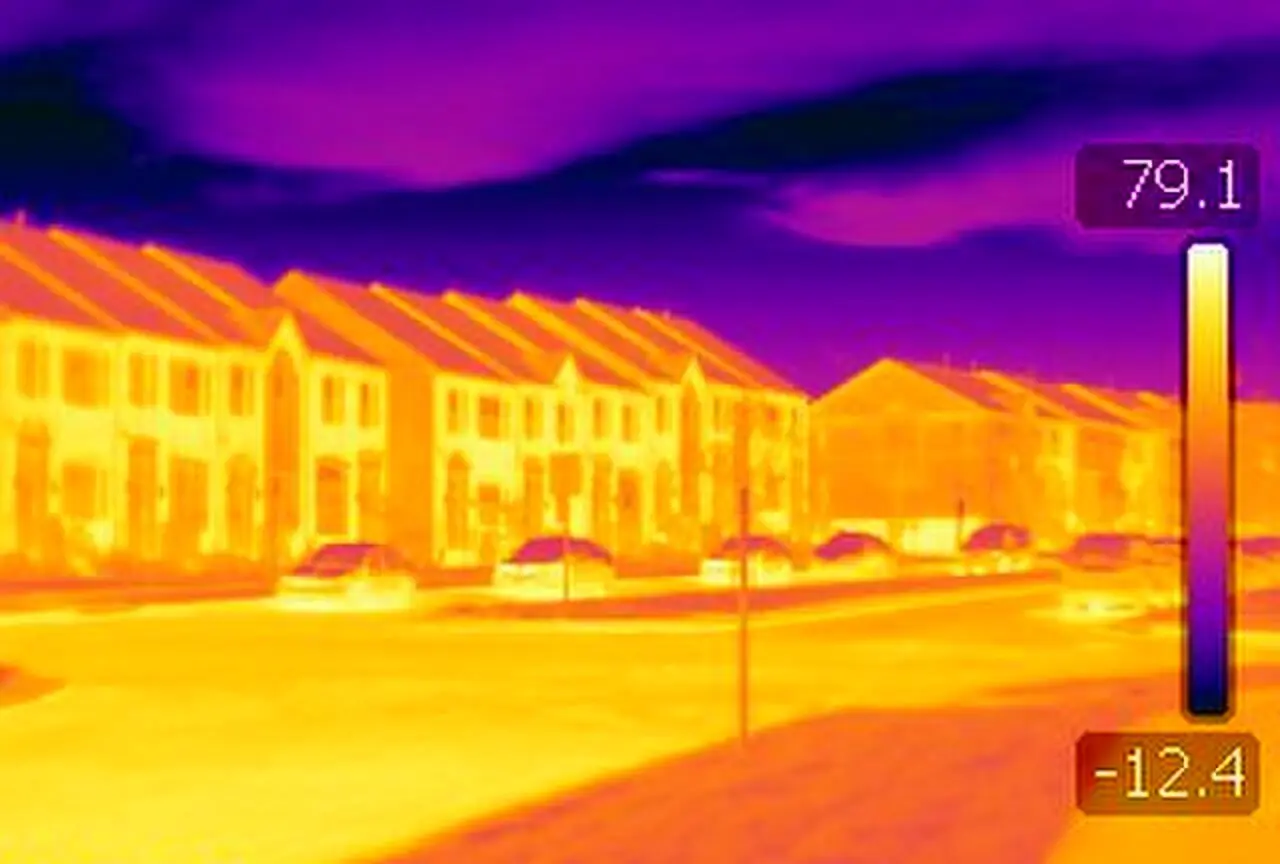
Hidden water leaks can cause damage behind walls, beneath floors, and inside ceilings before visible signs appear. Thermal imaging uses infrared technology to identify temperature differences on building surfaces that may indicate concealed moisture or plumbing problems.
Gville Leak Pros provides 24/7 leak detection services in Gainesville, FL. Contact the team to discuss suspected hidden water leaks and determine which investigation method may be appropriate for your property.
Thermal imaging leak detection uses an infrared camera to capture temperature variations across surfaces.
The camera displays these variations as a thermal image, making warmer and cooler areas easier to identify. When water escapes from a pipe or moisture enters a building material, it may change the temperature pattern on the surrounding surface. A trained professional can examine these patterns to identify areas that may need further investigation.
Thermal imaging does not directly see water behind walls or beneath floors. It identifies surface temperature differences that may be associated with moisture or other building conditions — and it can support Water line leak detection when supply pipes run behind walls or beneath floors.
A thermal imaging investigation generally involves a surface scan, a comparison of temperature patterns, and further checks of any unusual areas.
Identify the reported leak symptoms and the areas requiring inspection.
Use an infrared camera to examine accessible walls, floors, ceilings, or other surfaces.
Review warmer and cooler patterns across the inspected areas.
Look for temperature variations that may be consistent with moisture or concealed plumbing issues.
Assess suspicious areas using appropriate additional checks before determining whether a leak is present.
Thermal images provide useful diagnostic information, but unusual temperature patterns are not proof of a water leak.
Thermal imaging can help investigate temperature patterns across a range of concealed plumbing and moisture problems.
Moisture from a leaking pipe inside a wall may affect the surface temperature. Thermal imaging can help identify unusual areas for further inspection.
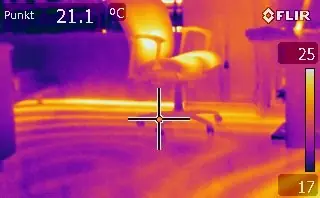
Temperature differences on floors may help investigate suspected hot-water pipe leaks beneath concrete slabs. Results depend on pipe depth, floor materials and temperature conditions. See also Slab leak detection in Gainesville.
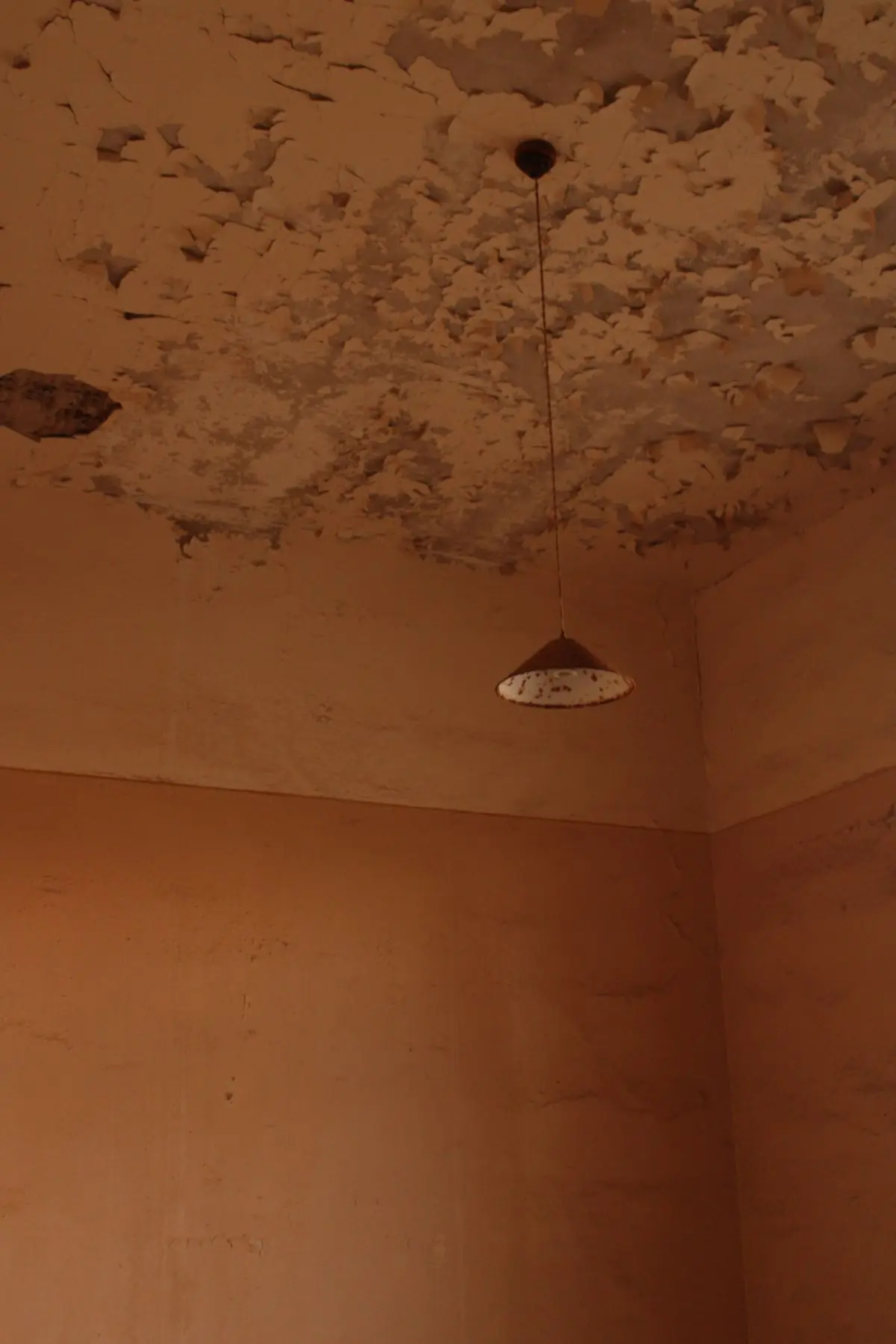
Thermal imaging may help investigate temperature patterns around ceiling areas affected by possible water intrusion. See also Roof and ceiling leak detection.
Leaks around concealed plumbing connections, supply lines, and fixtures may create moisture-related temperature patterns.
Thermal imaging may help scan larger accessible areas in offices, retail properties, and other commercial buildings for temperature irregularities that require investigation.
Consider a professional inspection if you notice:
These symptoms can have multiple causes. A thermal image can help investigate some conditions, but further testing may be necessary.
Infrared cameras make surface temperature patterns visible, helping investigators identify unusual areas.
Thermal imaging can help investigate accessible surfaces above concealed plumbing and building materials.
A camera can scan broad sections of walls, floors, and ceilings during an inspection.
Temperature patterns may help identify areas affected by moisture intrusion or possible plumbing leaks.
Thermal imaging can be considered alongside Acoustic leak detection, moisture measurements, and other suitable investigation methods.
Thermal imaging is useful, but it has important limitations:
For these reasons, thermal imaging should be treated as an investigative tool rather than standalone proof of a leak.
The appropriate method depends on the suspected leak, building materials, pipe system and site conditions.
Thermal imaging can be relevant to different types of properties when investigating possible moisture or concealed plumbing problems.
For residential properties, areas of interest may include walls, floors, ceilings, bathrooms, kitchens and suspected slab leaks — see Residential leak detection. For commercial properties, investigations may involve accessible building surfaces, plumbing areas, ceilings and other locations where moisture or temperature irregularities are suspected — see Commercial leak detection.
Gville Leak Pros offers residential and commercial leak detection in Gainesville, FL. Contact the team to discuss your property and the nature of the suspected leak.
Gville Leak Pros serves Gainesville, FL, and surrounding areas of Alachua County. Contact the team to confirm service availability at your property.
Our target service areas include:
Answers to common questions about thermal imaging leak detection in Gainesville, FL.
It uses an infrared camera to identify surface temperature differences that may indicate concealed moisture or possible plumbing leaks.
No. It measures surface temperatures. It may reveal patterns associated with moisture behind a wall, but it does not see through the wall or directly display water.
It may help investigate certain slab leaks, particularly when a leaking hot-water pipe creates a detectable temperature difference at the floor surface.
No. Results depend on temperature differences, building materials, insulation, pipe depth and environmental conditions.
The camera can scan accessible surfaces without opening them. However, further access may be needed to confirm or repair a suspected leak.
It may help investigate moisture-related temperature patterns in building materials, but roof conditions and other sources of moisture must also be considered.
Yes. Infrared thermography is another term for thermal imaging. It uses infrared radiation to display surface temperature differences.
Suspect a hidden water leak in your home or commercial property? Contact Gville Leak Pros to discuss your leak detection requirements.
Gville Leak Pros • 3650 NW 34th St, Gainesville, FL 32605 • gainesvilleleakdetectionfl.com • Available 24/7
Call (352) 922-1148