Water Stains on Ceilings
Brown, yellow, or discolored ceiling marks may indicate water entering from above. These stains can become more noticeable after rainfall.
A roof or ceiling leak can cause water stains, damp materials, dripping water, and damage inside your property. Sometimes the source is easy to identify, but in other cases, water travels through roofing materials, insulation, walls, or ceiling spaces before becoming visible.
Gville Leak Pros provides roof and ceiling leak detection in Gainesville, FL, helping residential and commercial property owners investigate suspected water intrusion and identify possible sources of moisture.
Whether you have noticed a ceiling stain after heavy rain, water dripping indoors, or unexplained moisture near your roof, investigating the problem is an important step. Contact Gville Leak Pros to discuss your roof or ceiling leak concerns.
Roof and ceiling leak detection involves investigating signs of water intrusion to help identify where moisture may be entering or accumulating within a building.
Water can enter through damaged roofing materials, flashing, roof penetrations, or other vulnerable areas. It may then travel through insulation and structural spaces before appearing on an interior ceiling.
Common areas of concern include:
Identifying the possible source is important because the visible water stain may not be directly beneath the original entry point.
Recognizing early warning signs can help property owners investigate water intrusion before it spreads.
If water is actively dripping inside your property right now, see Emergency Leak Detection.
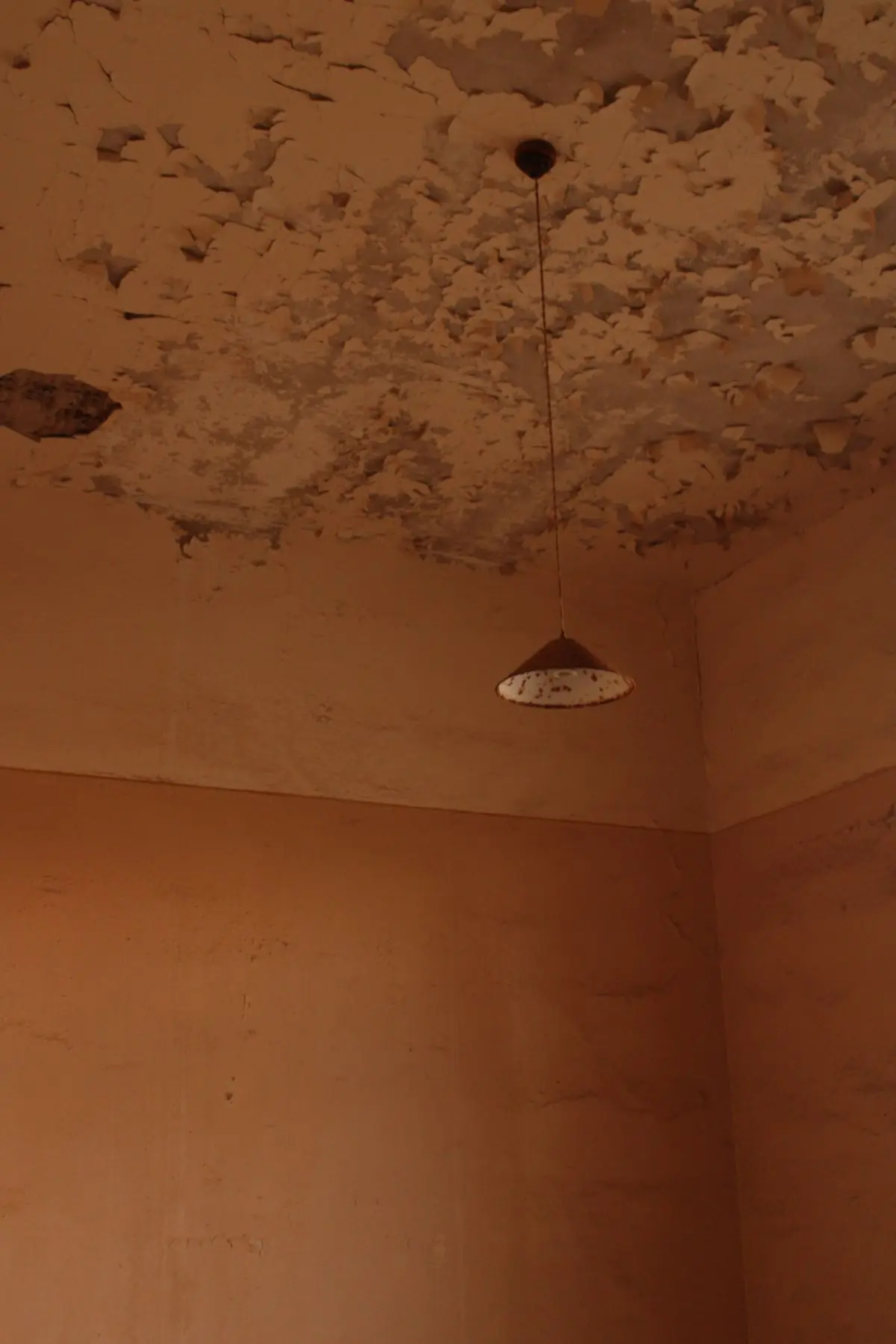
Brown, yellow, or discolored ceiling marks may indicate water entering from above. These stains can become more noticeable after rainfall.
Visible dripping during or after rain may indicate an active roof leak or another source of water intrusion.
Moisture can cause ceiling paint to bubble, crack, peel, or lose adhesion.
Ceiling materials that feel damp, appear swollen, or begin sagging may have been exposed to ongoing moisture.
Persistent musty smells in upper rooms, attics, or ceiling spaces may indicate moisture accumulation.
Wet or compressed insulation may indicate water entering through the roof or another source.
Moisture around upper walls or window frames may be associated with roof-related water intrusion, flashing problems, or other exterior water entry points.
If water stains or dripping appear after storms, rainwater intrusion should be investigated.
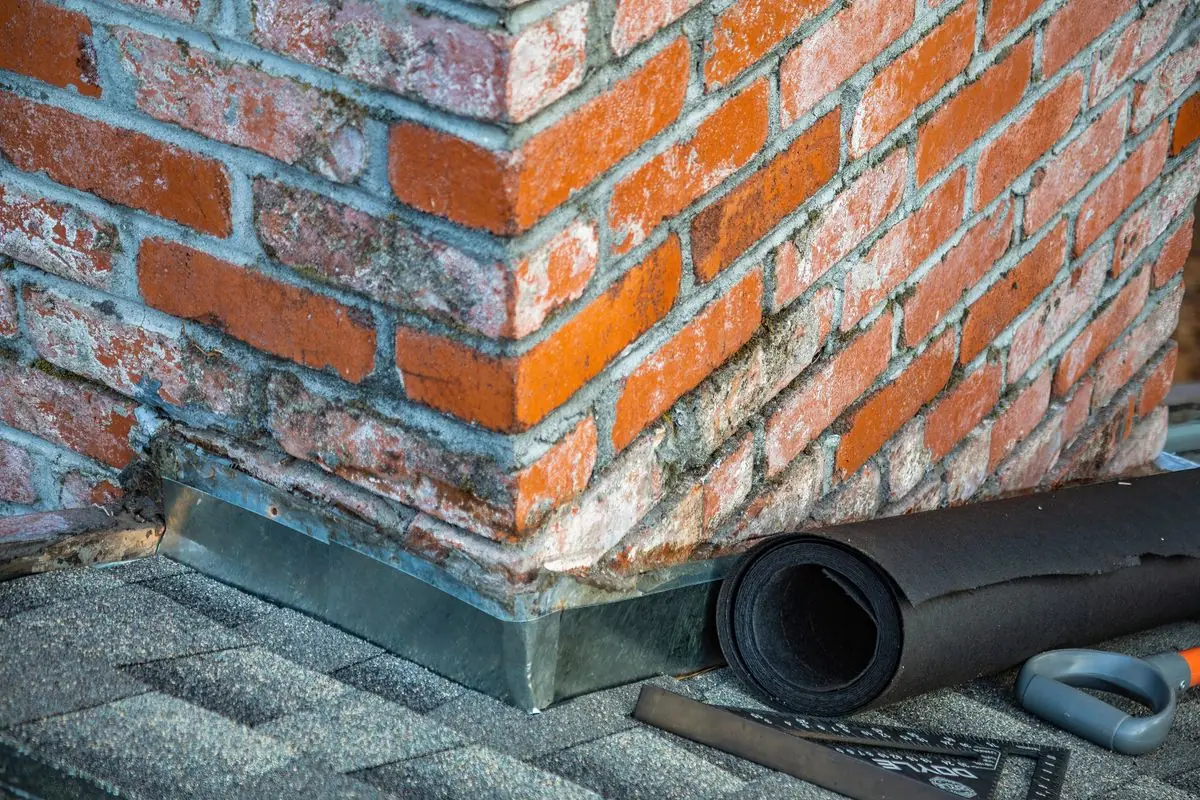
Roof and ceiling leaks can develop for different reasons depending on the roof design, building condition, and weather exposure.
Flashing, seals, and drainage areas are among the most common places where water finds a way in.
Cracked, loose, deteriorated, or missing shingles and other roofing materials may allow rainwater to enter the building.
Flashing protects vulnerable roof transitions and joints. Damaged or improperly sealed flashing can create pathways for water intrusion.
Areas around vents, pipes, skylights, and other roof openings can become vulnerable when their seals or surrounding materials deteriorate.
Blocked or damaged gutters can interfere with proper drainage and contribute to water accumulation around roof edges.
Strong winds, heavy rain, and severe storms can damage roofing materials and expose areas of the building to water intrusion.
Roofing materials deteriorate over time. Older roofs may become more vulnerable to leaks as materials, seals, and connections wear down.
Water that does not drain properly may accumulate around certain roof areas and increase the risk of water intrusion.
Water can enter through different parts of a roofing system and appear in unexpected areas inside a building.
That is why the visible stain inside is not always directly below the entry point outside.
Roof valleys are areas where two roof slopes meet. These sections manage water runoff and may become vulnerable if roofing materials or protective layers are damaged.
Flashing around vents, chimneys, and other roof penetrations helps prevent water from entering vulnerable joints.
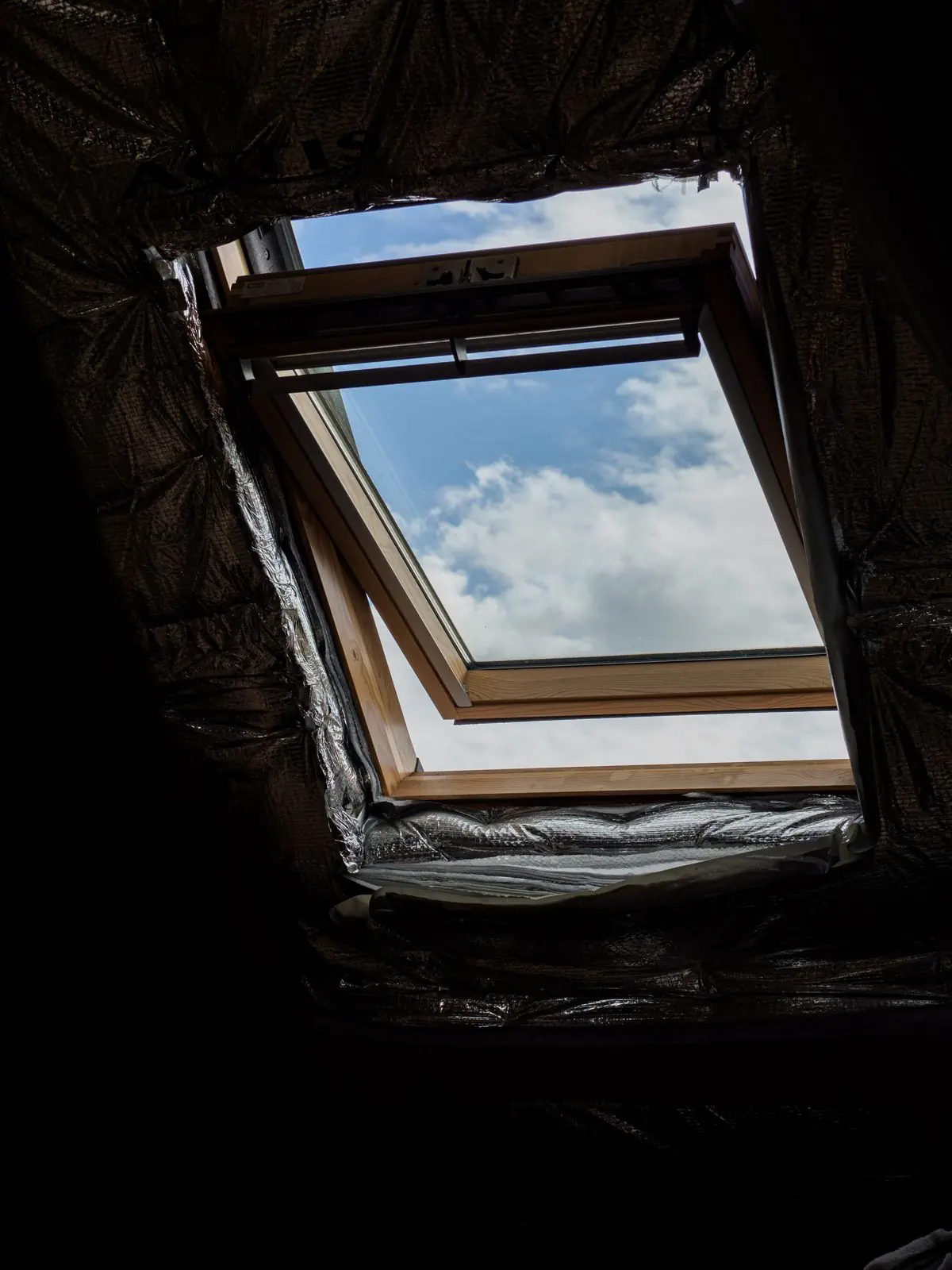
Damaged seals, flashing, or surrounding roofing materials can allow water to enter around skylights.
Water entering through a roof may collect in insulation or travel along framing before appearing on an interior ceiling.
Drainage problems around roof edges may contribute to water intrusion near fascia boards, soffits, and exterior walls.
Roof leak detection and roof repair are related but different services.
Gville Leak Pros’ listed service is leak detection. Contact the business to confirm whether roofing repairs are available. If the suspected problem involves damaged shingles, flashing replacement, or structural roof repairs, a qualified roofing contractor may be required.
Investigating a roof or ceiling leak involves understanding the visible symptoms and considering possible water entry points.
We begin by discussing where you noticed water stains, dripping, dampness, or other signs of moisture.
The visible symptoms and surrounding property conditions help identify areas that may require investigation.
The suspected area is investigated to help determine where water may be entering or accumulating.
The findings are explained so you can better understand the suspected source and determine the appropriate next step.
Roof leaks can affect both residential and commercial buildings. Even a small water intrusion problem can affect interior spaces, stored belongings, equipment, and building materials.
Homeowners may notice ceiling stains, dripping water, damp attic insulation, or moisture around upper walls. Investigating these signs can help determine whether the issue is associated with the roof or another source of water intrusion.
Commercial properties may have larger roof surfaces, multiple drainage areas, and different roofing systems. Water intrusion can affect offices, retail spaces, storage areas, and other parts of a commercial building.
Gville Leak Pros provides leak detection services for residential and commercial properties. Explore all Leak Detection in Gainesville, FL services on our homepage.
Related services include Water Line Leak Detection, Slab Leak Detection, and High Water Bill Investigation for unexplained increases in water usage.
Gville Leak Pros serves Gainesville, Florida, and surrounding communities.
Our target service areas include:
Answers to common questions about roof and ceiling leaks in Gainesville, FL.
Common signs include ceiling stains, dripping water, peeling paint, damp insulation, musty odors, and water appearing inside after rainfall.
Yes. Water entering through a roof can affect ceiling materials, insulation, walls, and other interior building components.
Rainwater may be entering through damaged roofing materials, flashing, roof penetrations, or drainage areas. The source needs to be investigated.
Yes. Water can travel along roof components, insulation, and framing before becoming visible inside the building.
No. Ceiling moisture can also result from plumbing leaks, HVAC condensation, or other sources. The cause should be investigated before assuming the roof is responsible.
Persistent moisture can create conditions that support mold growth. Water intrusion should be addressed promptly, and affected materials may require appropriate remediation.
Gville Leak Pros is available 24/7 for its leak detection services in Gainesville, FL.
This page covers roof and ceiling leak detection. Contact Gville Leak Pros to confirm whether roof repair services are available.
No. Avoid climbing onto a wet, damaged, or unstable roof. Inspect visible signs from a safe location and contact an appropriately qualified professional.
Noticed water stains, dripping, or unexplained moisture inside your property? Gville Leak Pros provides roof and ceiling leak detection in Gainesville, FL, helping residential and commercial property owners investigate suspected water intrusion.
Gville Leak Pros • 3650 NW 34th St, Gainesville, FL 32605 • gainesvilleleakdetectionfl.com • Available 24/7
Call 352-922-1148 to Discuss Your Leak Detection Concerns