Rotten-Egg Smell
Natural gas is naturally odorless, but an odorant is added to make leaks easier to recognize. A sulfur-like or rotten-egg smell may indicate escaping gas.
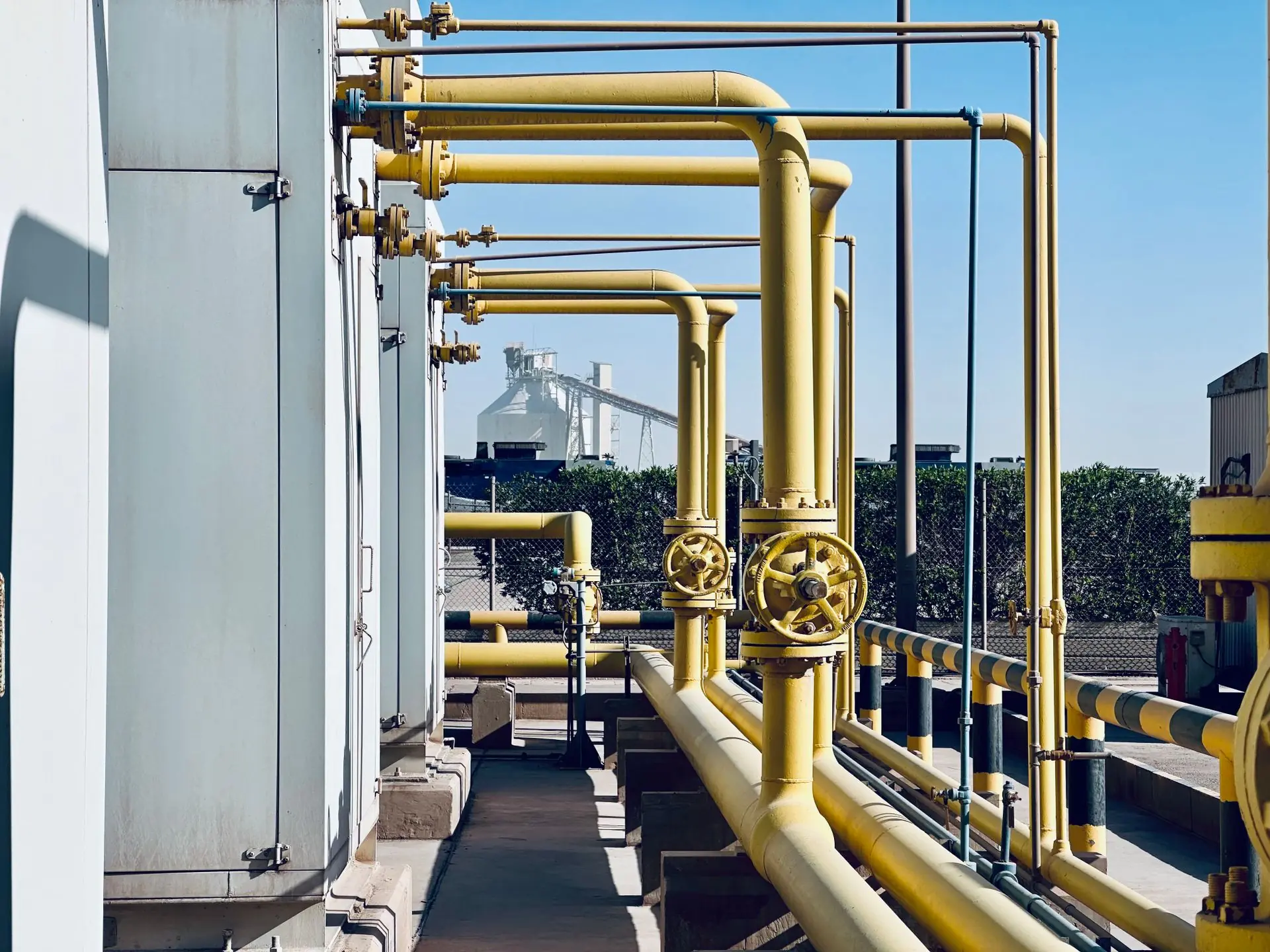
A gas leak can create a serious safety risk for your home or commercial property. Natural gas and propane leaks may occur around gas supply lines, appliance connections, valves, and other parts of a gas system.
Recognizing the warning signs is important. A rotten-egg smell, unusual hissing sound, or damaged gas line may indicate a possible gas leak.
Gville Leak Pros provides gas leak detection as part of its leak detection services in Gainesville, FL. See our full range of Leak Detection in Gainesville, FL on the homepage.
Safety first: If you smell gas or suspect an active gas leak, leave the building immediately. Do not operate electrical switches, use flames, or attempt to locate the leak yourself. Once safely away, call 911 or your gas utility’s emergency number.
Gas leak detection is the process of identifying whether gas is escaping from a gas supply system, pipe, fitting, connection, or appliance.
Gas systems may use natural gas or propane to operate equipment such as:
A leak can develop in different parts of a gas system. Identifying the source requires appropriate professional assessment and safety procedures.
Recognizing possible gas leak symptoms can help you respond appropriately.
Natural gas is naturally odorless, but an odorant is added to make leaks easier to recognize. A sulfur-like or rotten-egg smell may indicate escaping gas.
An unusual hissing or whistling sound near a gas pipe, valve, or connection may indicate gas escaping under pressure.
Unexpectedly dead or discolored vegetation near an underground gas line may indicate a possible underground leak. Other soil and plant conditions can also cause this symptom.
Persistent bubbling in standing water near a gas pipeline may be a warning sign of escaping gas.
Visible damage, corrosion, or deterioration around gas piping and connections may indicate a potential safety problem.
Never try to confirm a gas leak using a flame, lighter, or other ignition source.
Gas leaks may develop in different parts of a property’s gas supply system — from the main supply line to individual appliance connections.
For water supply lines instead, see Water Line Leak Detection.
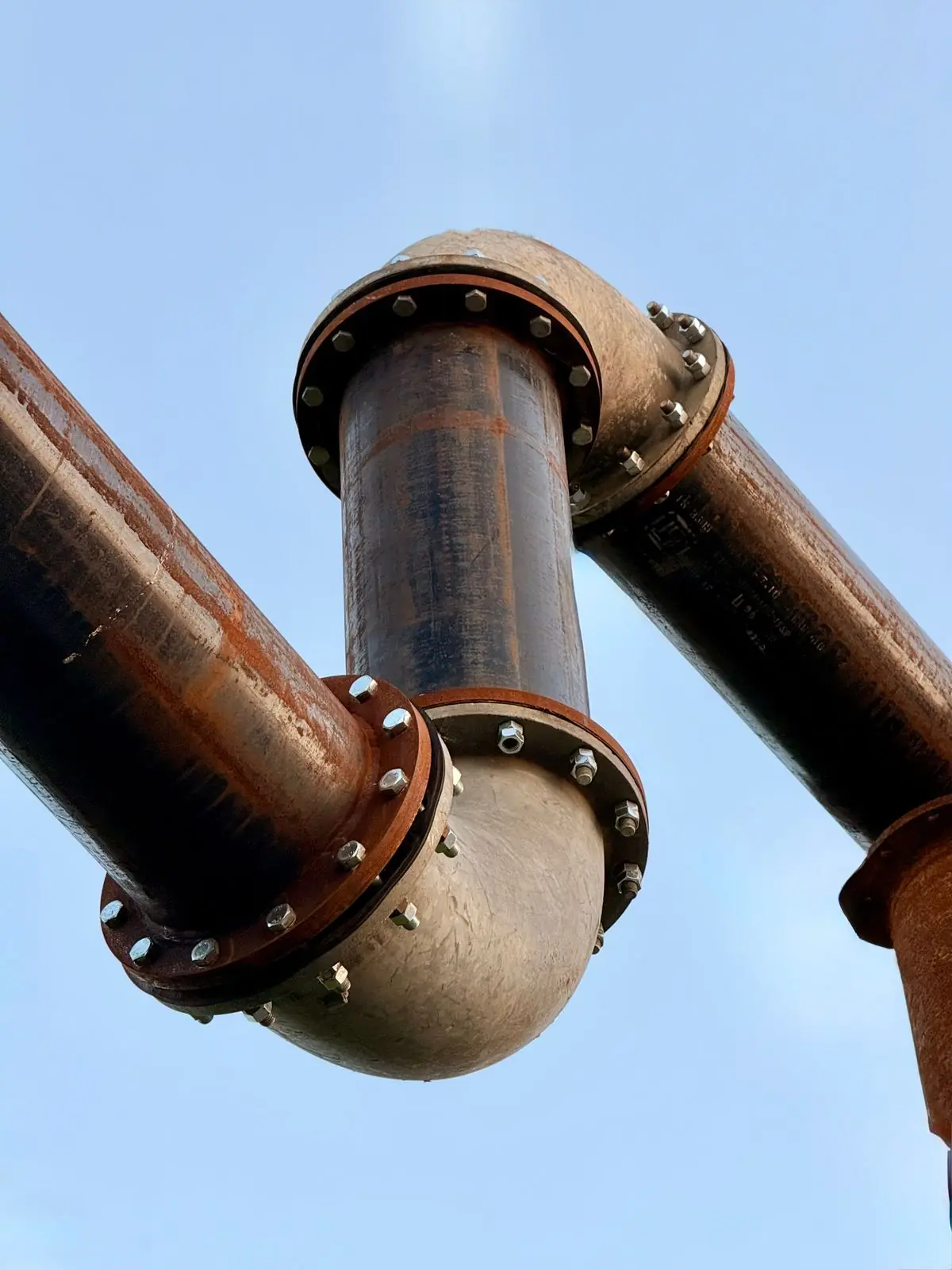
Gas pipes transport fuel from the supply source to appliances and equipment. Damaged or deteriorating sections may allow gas to escape.
Joints, fittings, and connections may develop leaks due to wear, damage, or improper installation.
Valves control gas flow throughout a system. Damaged or deteriorated valves may become potential leak locations.
Gas stoves, water heaters, dryers, and other appliances depend on properly connected gas supply lines.
Buried gas piping can be affected by corrosion, ground movement, excavation damage, or deterioration. Locating buried utility lines is also covered under Underground Main Line Tracing.
Several conditions can contribute to gas leaks.
A suspected gas leak must be treated as a safety emergency. Follow these safety instructions:
Leave the building immediately and move to a safe location.
Do not turn electrical switches or appliances on or off.
Do not smoke, light matches, or use any open flame.
Do not use a phone inside the affected building.
Do not attempt to find, test, or repair the leak yourself.
Once safely away, call 911 or your gas utility’s emergency number.
Do not return until emergency professionals say it is safe.
GRU natural gas emergencies (Gainesville): GRU lists 352-334-2550 as its natural gas emergency number. Call from a safe location. For urgent water leaks instead, see Emergency Leak Detection.
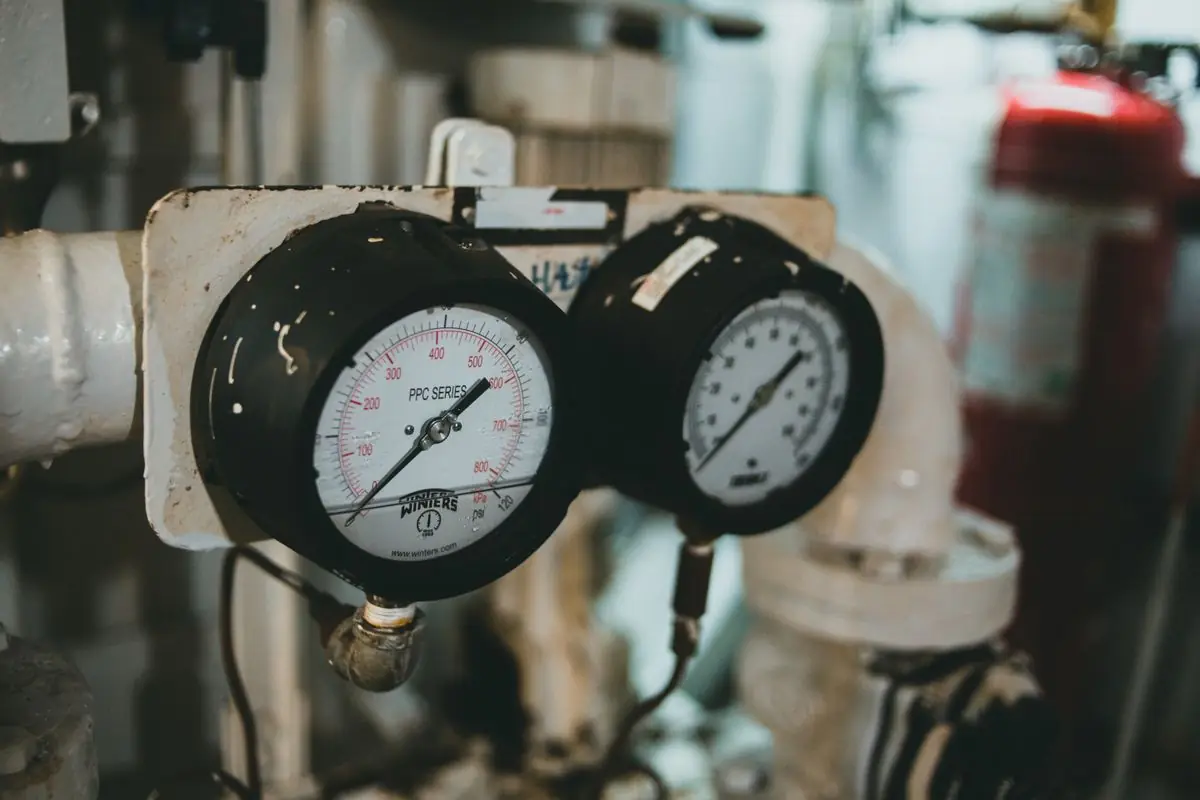
Gas leak investigation requires appropriate equipment, training, and safety procedures.
A professional assessment may involve evaluating the gas system, identifying suspected problem areas, and determining the appropriate next steps.
Gville Leak Pros lists gas leak detection among its services. This service is not a substitute for emergency gas utility response — for an active gas emergency, leave the property and call 911 or your gas utility first.
Gville Leak Pros also provides Slab Leak Detection for leaks beneath concrete foundations.
Gas leaks in residential properties may involve supply pipes, appliance connections, water heaters, cooking equipment, or other gas-powered systems. Homeowners should treat any suspected active gas leak as an emergency and contact the appropriate emergency service or gas utility.
Commercial buildings may have gas-powered equipment, heating systems, kitchens, and other gas supply installations. A suspected gas leak in a commercial property requires immediate safety precautions and assessment by appropriately qualified professionals.
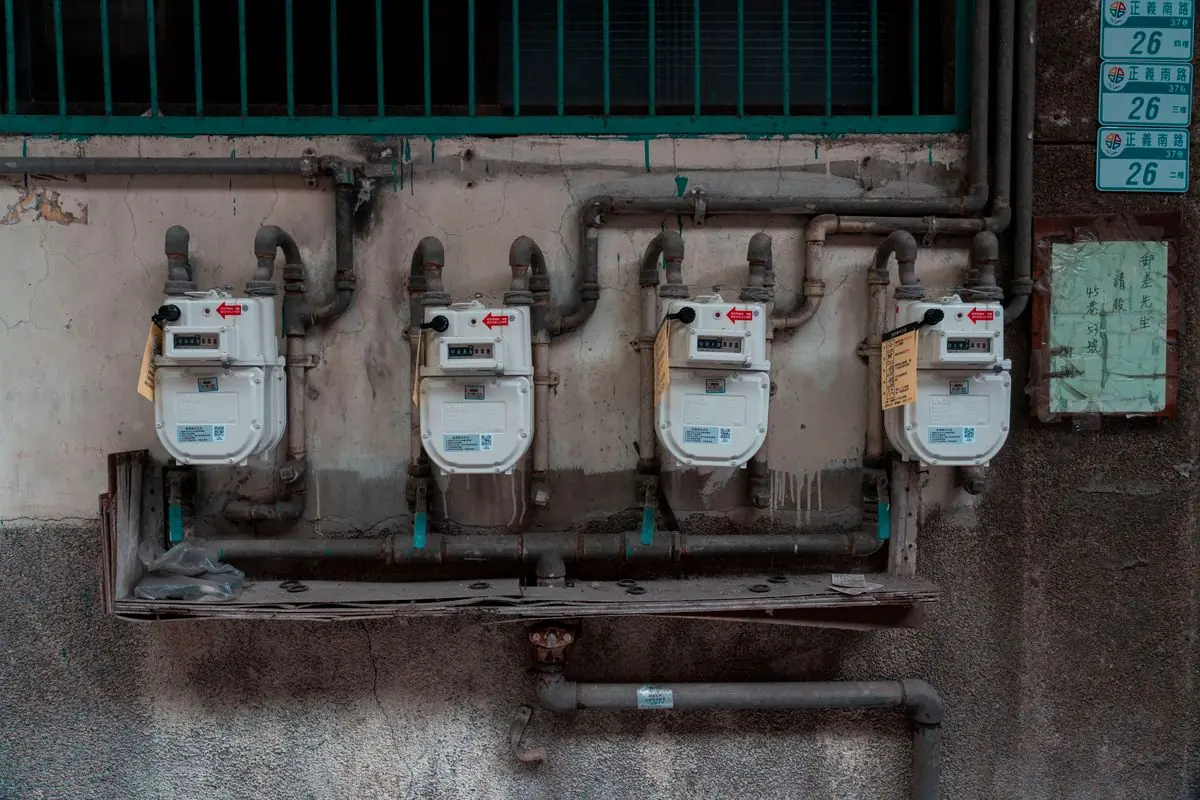
Gville Leak Pros serves Gainesville, Florida, and surrounding communities.
Our target service areas include:
Answers to common questions about gas leaks and gas leak detection in Gainesville, FL.
Natural gas is odorless, but an odorant is added to help people detect leaks. It commonly produces a sulfur-like or rotten-egg smell.
Leave the building immediately. Avoid electrical switches, appliances, flames, and phones inside the property. Once safely away, call 911 or your gas utility’s emergency number.
Yes. Underground gas lines can develop leaks due to corrosion, physical damage, ground movement, or deterioration.
Yes. Escaping gas may produce a hissing or whistling sound near a damaged pipe or connection.
Yes. Gas leaks may occur around appliance supply connections, fittings, valves, and other gas system components.
Gville Leak Pros lists 24/7 availability and includes gas leak detection among its services. For an active gas emergency, leave the property and contact 911 or the gas utility first.
No. Do not attempt to locate, test, or repair a suspected gas leak. Leave the area and contact emergency professionals or the gas utility.
This page covers gas leak detection. Confirm directly with Gville Leak Pros whether gas line repair is available. Do not delay emergency utility assistance while seeking repair information.
If you have concerns about a gas line or suspect a non-active gas leak, Contact Gville Leak Pros to discuss its gas leak detection service.
Gville Leak Pros • 3650 NW 34th St, Gainesville, FL 32605 • gainesvilleleakdetectionfl.com • Available 24/7
For an active or suspected gas emergency, evacuate first and contact 911 or your gas utility from a safe location.
Call (352) 922-1148